
The Permit Question Every Bay Area Homeowner Eventually Asks
You've finally decided to tackle the bathroom. You've spent hours on Houzz and Pinterest, you know the tile you want, and you've got a contractor lined up. Then someone mentions the word "permit" — and suddenly a straightforward renovation feels like it's about to get complicated.
Here's the honest answer most contractors won't give you upfront: whether you need a permit depends almost entirely on what you're actually changing. And the line between "no permit needed" and "absolutely needs a permit" is more specific than most homeowners realize.
This guide is written for Bay Area homeowners — in Martinez, Concord, Walnut Creek, Oakland, San Jose, and the surrounding East Bay and South Bay cities — who want a straight answer before signing a contract or starting to tear out tile. If you're already thinking about the project itself, take a look at our Bay Area bathroom remodeling services to understand what a full renovation involves. We'll cover what triggers a permit requirement, what doesn't, how the process works in your city, and why cutting corners is one of the most expensive mistakes you can make in a home renovation.
What Actually Requires a Permit in a Bathroom Remodel?

California's building code requires permits for work that affects the structural, electrical, plumbing, or mechanical systems of your home. In the context of a bathroom remodel, that typically means the following work requires a permit:
- Moving or adding plumbing lines — relocating a toilet, shower drain, tub, or sink supply lines to a new position
- Adding new electrical circuits or upgrading existing ones — installing a new exhaust fan on its own circuit, adding a dedicated outlet for a bidet or steam shower, or upgrading a subpanel
- Installing a new shower or bathtub — particularly if it involves new waterproofing layers, a niche, steam components, or any framing change
- Removing or relocating walls — even non-load-bearing walls require permits in many Bay Area jurisdictions
- Adding a bathroom where none previously existed — converting a closet, utility room, or garage space into a bathroom always requires full permits for plumbing, electrical, and framing
- Changing window size or location — including enlarging a window for better ventilation
- Installing radiant floor heating tied to the electrical panel
A licensed bathroom remodeling contractor should be pulling permits for all of the above without you having to ask. If a contractor suggests skipping permits on any of this work to "save time" or "keep costs down," treat that as a serious warning sign about how they run their business.
When You Genuinely Don't Need a Permit
Not every bathroom project requires a permit application. Work that is purely cosmetic and doesn't touch the systems inside your walls is generally exempt in most Bay Area cities. That includes:
- Replacing a toilet in the same location (matching the existing rough-in distance)
- Swapping out a vanity, mirror, or light fixture on an existing circuit
- Retiling a shower or floor without changing the waterproofing membrane or structural elements
- Replacing a faucet, showerhead, or sink without moving supply lines
- Painting, new wallpaper, or flooring installed over an existing subfloor
- Installing a prefab shower insert over existing framing in some jurisdictions
The practical test: if you're replacing something like-for-like without opening walls or touching electrical, plumbing, or structural systems, you're likely in the clear. The moment you move a drain, add a circuit, or alter framing, you're in permit territory.
One important caveat — permit requirements are not uniform across the Bay Area. What's acceptable without a permit in unincorporated Contra Costa County may require one inside city limits in Oakland or Berkeley. When in doubt, a ten-minute call to your local building department can save months of headaches later.
How the Permit Process Actually Works in Bay Area Cities
The permitting process sounds intimidating but follows a predictable sequence. Here's what it looks like from start to finish:
- Plans preparation: Your contractor prepares drawings showing the plumbing layout, electrical plan, and any structural changes. Simple projects may only need basic sketches; anything involving structural work requires engineer-stamped plans.
- Application submittal: Plans go to your city's building division — most Bay Area cities now offer online submittals. A complete, accurate first submittal is the single biggest factor in keeping timelines short.
- Plan check review: A plan checker reviews your drawings for code compliance. This is where timelines vary most significantly by city.
- Permit issuance: Once approved, permits are issued and posted at the job site. Work can begin.
- Inspections during construction: The inspector visits at key stages — typically rough plumbing, rough electrical, and waterproofing before walls are closed. Scheduling these promptly keeps the project on track.
- Final inspection: After all work is complete, a final sign-off officially documents that everything meets code.
Permit Timelines by City (2026)
Processing times vary meaningfully across the region. Here's a realistic picture based on current conditions:
- Martinez: 2–3 weeks; straightforward projects sometimes approved over-the-counter
- Concord: 2–4 weeks; online submittal available
- Walnut Creek: 2–3 weeks; known for a relatively efficient residential process
- Oakland: 4–8 weeks, occasionally longer — one of the slower cities due to application volume
- San Jose: 3–6 weeks; express permits available for simple scopes
- Berkeley: 4–6 weeks; thorough plan review is standard
- Unincorporated Contra Costa County: 2–4 weeks through the County Building Inspection Division
These estimates assume complete plans submitted correctly the first time. Incomplete submittals or engineering corrections can easily add 2–4 weeks to any of the above.
Real Permit Scenarios Bay Area Homeowners Face
Full Master Bath Gut in Walnut Creek
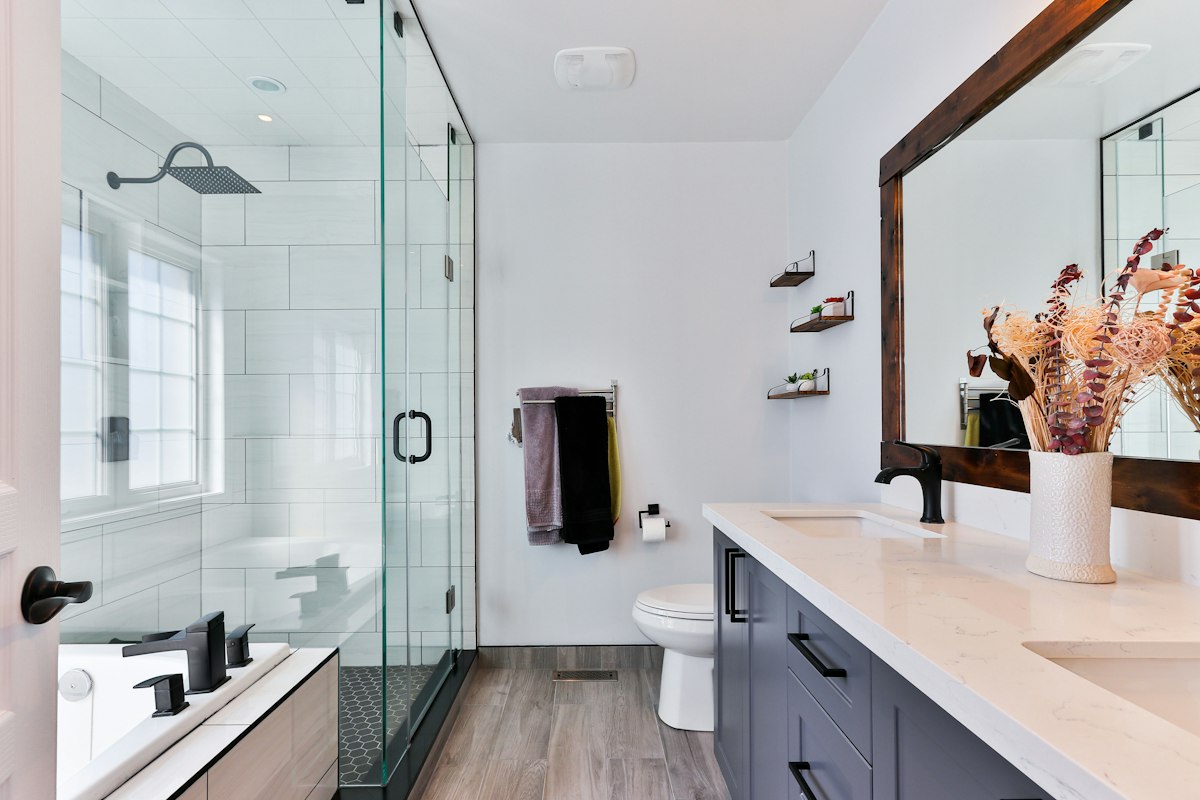
A homeowner wants to completely gut a 1970s master bath — new layout, walk-in shower replacing a tub/shower combo, double vanity, heated tile floors. This scope requires permits for plumbing (moving the shower drain and reconfiguring supply lines), electrical (heated floor circuit, updated lighting plan), and possibly structural work if the shower expansion touches an adjacent closet wall. Expect a 3–4 week permit timeline and 6–8 weeks of construction. Permit fees for this scope typically run $800–$1,500 — a minor line item relative to the overall project budget.
Cosmetic Update in Martinez
A Martinez homeowner wants a new vanity, toilet, and tile floor — nothing moves, no new circuits, all fixtures staying in their existing locations. This project almost certainly doesn't require a permit. A responsible contractor confirms this with the City of Martinez before starting, but comparable cosmetic projects consistently proceed without permits in this jurisdiction.
Adding a Half-Bath in Oakland
An Oakland homeowner wants to convert a coat closet near the entryway into a powder room. This requires permits for plumbing (running drain and supply lines from the closest stack), electrical (GFCI outlet, light fixture, exhaust fan), and framing. In Oakland, expect 5–8 weeks for permit approval and a higher level of plan detail than smaller cities require. Unpermitted bathroom additions are a significant liability at resale — this is not the project to cut corners on.
Older East Bay Home with Hidden Surprises
Many homes in Concord, Martinez, and the East Bay were built between the 1940s and 1960s. When a contractor opens walls during a remodel and discovers knob-and-tube wiring or galvanized plumbing — both common finds in this housing stock — the permit scope often expands to include panel work and full circuit replacement. This adds $3,000–$8,000 and one to two weeks to the project. It's not the contractor's fault or yours; it's the nature of older homes, and it's exactly the kind of work that needs to be done properly and inspected.
Why Skipping Permits Is a Worse Gamble Than It Seems
Unpermitted bathroom work is more common in the Bay Area than most homeowners realize — and the consequences tend to surface at the worst possible moment.
Fines and Forced Corrections
Cities discover unpermitted work through neighbor complaints, inspector visits to adjacent properties, and — most commonly — real estate transactions. When the city finds it, you may be required to open walls, expose all affected systems for retroactive inspection, and bring everything up to current code at your expense. Fines commonly range from $500 to several thousand dollars, and correction costs can easily exceed what the permit would have cost in the first place.
What Happens When You Sell
California disclosure law requires sellers to disclose known unpermitted work. Buyers' inspectors are trained to spot signs of unpermitted remodels — mismatched materials, non-standard framing, missing exhaust fans. In a Bay Area market where buyers are thorough, unpermitted bathrooms can complicate or kill transactions, trigger significant price renegotiations, or require expensive retroactive permitting before close of escrow.
Insurance Implications
If a fire or water loss occurs in a bathroom with unpermitted electrical or plumbing, your homeowner's insurance carrier may deny the claim on the grounds that the work wasn't inspected and didn't meet code. This is not theoretical — it happens, and it's financially devastating when it does.
Safety, Not Just Bureaucracy
Building codes exist because bathrooms are genuinely high-risk environments. Improper waterproofing leads to hidden structural rot. Incorrectly wired outlets near water are an electrocution hazard. Improperly vented drains allow sewer gas to accumulate inside the home. Permits and inspections are the independent verification that these risks were actually addressed.
What to Look for in a Contractor Who Handles Permits Correctly
The right bathroom remodeling contractor in the Bay Area treats permits as a standard part of every project, not an optional line item. When evaluating contractors, keep these points in mind:
- Verify their CSLB license at cslb.ca.gov — look for an active Class B (General Building) license and check for any disciplinary history
- Ask directly how they handle permits — "we pull all required permits" should be an automatic answer, not something you negotiate
- Request insurance certificates showing current general liability and workers' compensation coverage before signing anything
- Review the contract carefully — it should specify whether permit fees are included and confirm who is responsible for pulling them
If you're planning a larger renovation that includes multiple bathrooms as part of a full home remodel, permit coordination across multiple trades becomes even more critical. A single experienced general contractor managing the full permit set is significantly more efficient — and less risky — than coordinating separate permits across individual subcontractors. If that's where your project is headed, it's worth exploring what a whole-home renovation looks like from a planning and permitting standpoint before you scope individual rooms in isolation.
The Bottom Line: Permits Protect Your Investment
Bathroom remodeling permits in the Bay Area aren't optional bureaucratic overhead. They're how your city documents that the work in your home was done correctly — and they're what protect your investment when you eventually sell or file an insurance claim. The permit process is entirely manageable with the right contractor, and the cost ($500–$2,500 for most bathroom scopes, depending on city and complexity) is trivial compared to the cost of retroactive permitting, failed sales, or denied insurance claims years down the road.
The homeowners who regret pulling permits are essentially nonexistent. The homeowners who regret skipping them are easy to find.
Planning a Bathroom Remodel in the Bay Area?
Permits, timelines, tile selections, contractor vetting — there's a lot to navigate before a single wall comes down. EC Construction Group has been guiding Bay Area homeowners through this process for years, handling everything from the initial permit application to the final city inspection.
We serve Martinez, Concord, Walnut Creek, Oakland, San Jose, Berkeley, and the surrounding East Bay and South Bay communities. Every project starts with a free in-home consultation where we walk the space with you, answer your permit questions specific to your city, and give you a clear, written estimate before you commit to anything.
Whether it's a focused bathroom renovation, a multi-room project, or a full home remodel where the bathroom is one piece of a larger plan — we can help you do it right, on time, and fully permitted.
Contact EC Construction Group today to schedule your free consultation. No pressure, no vague estimates — just honest answers and a clear plan forward.
Already know what you want? You can also request a project estimate online and we'll follow up within one business day.